Shopping Cart
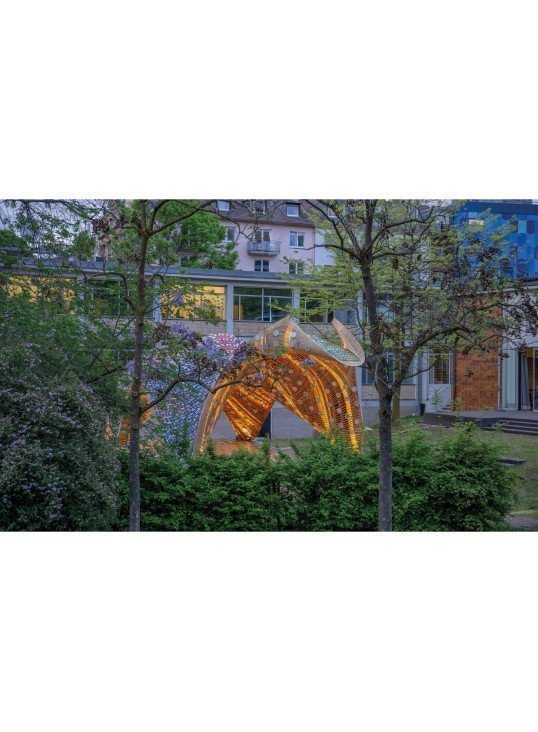
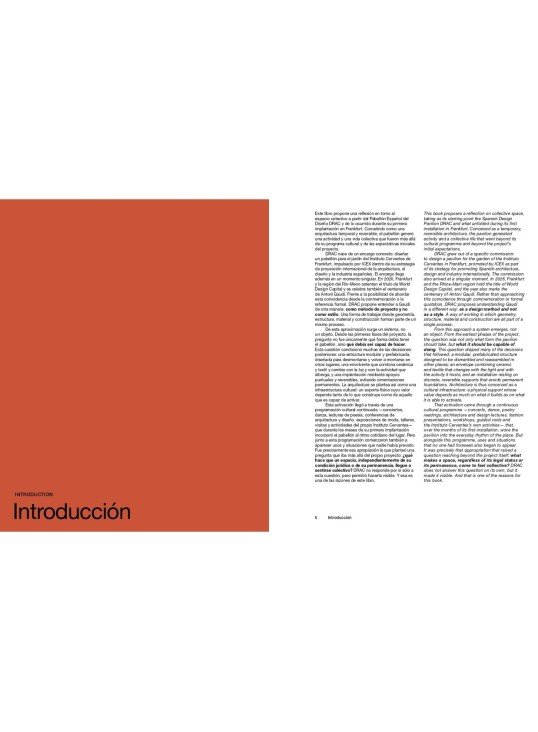
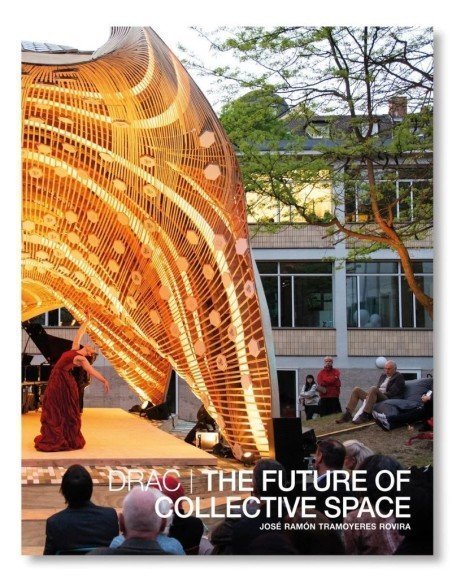
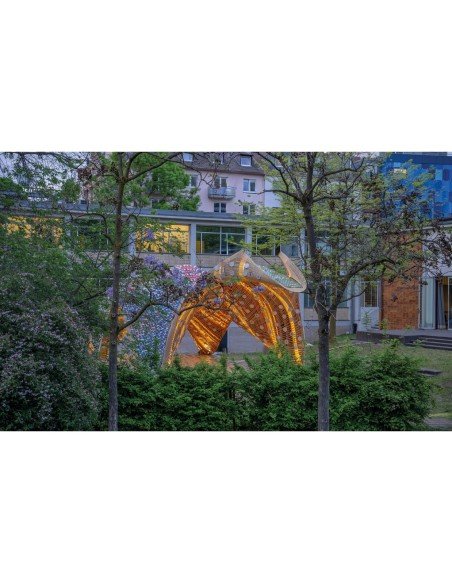
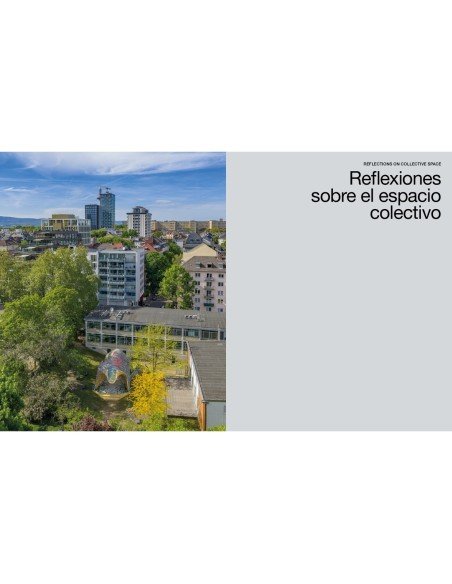
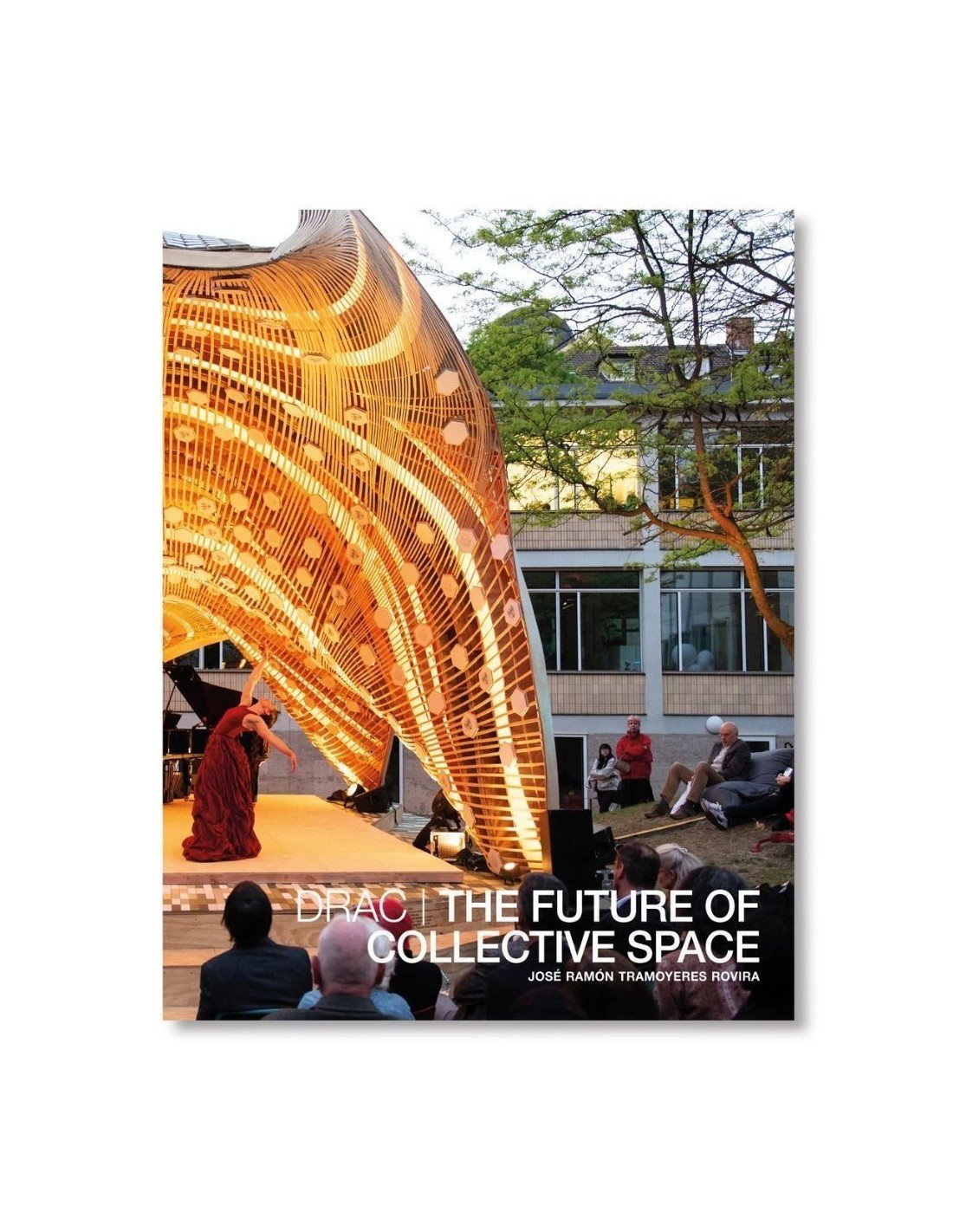
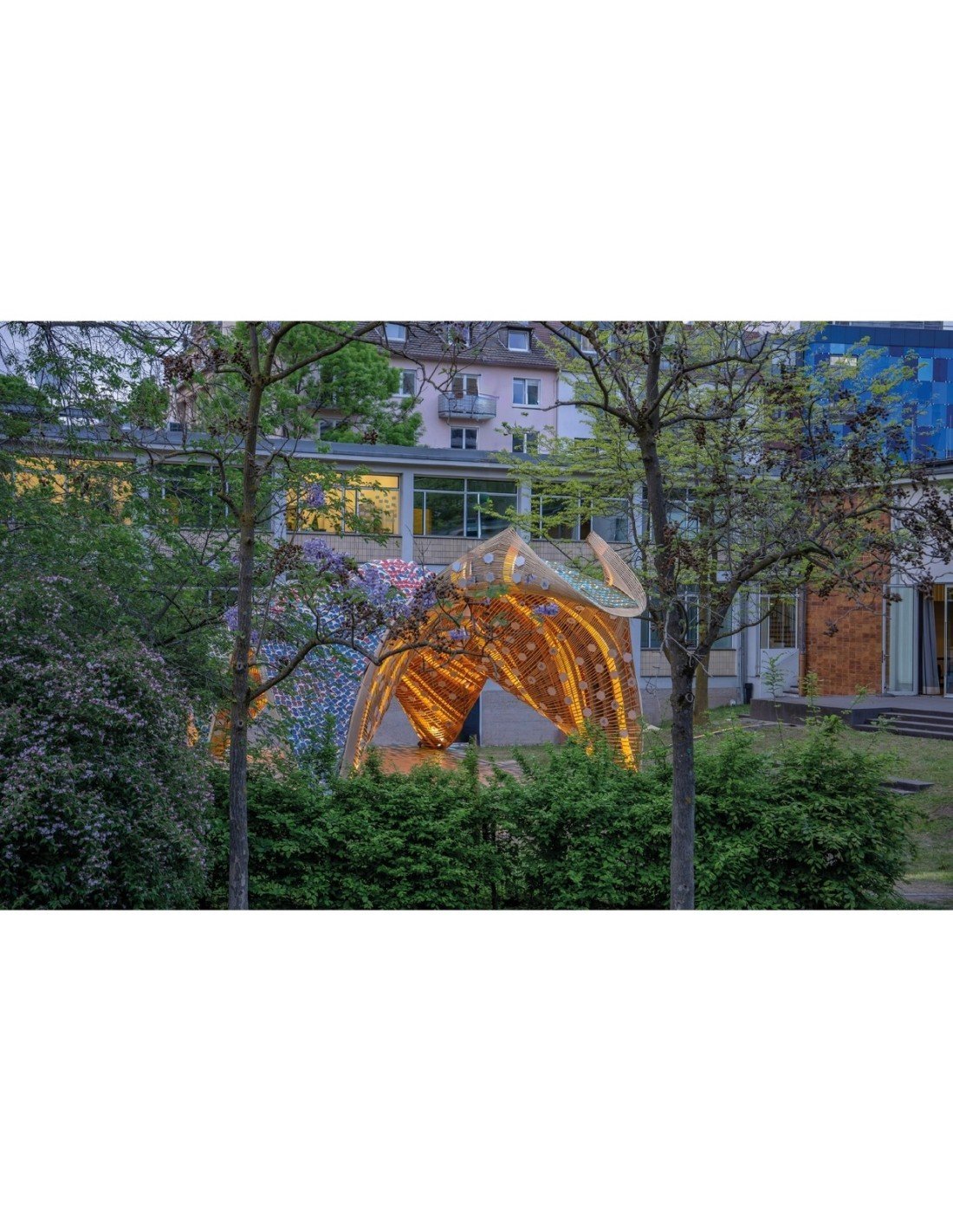
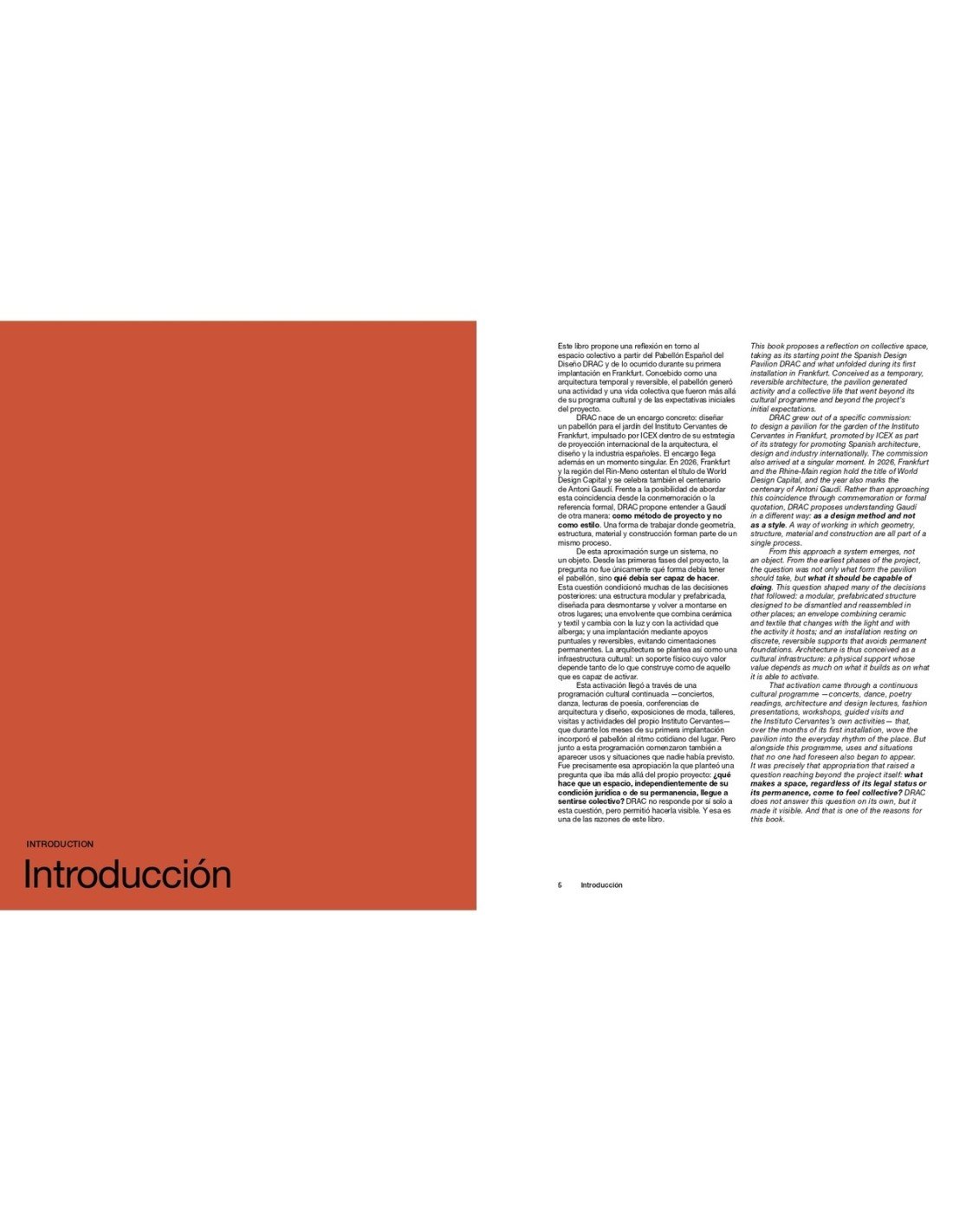


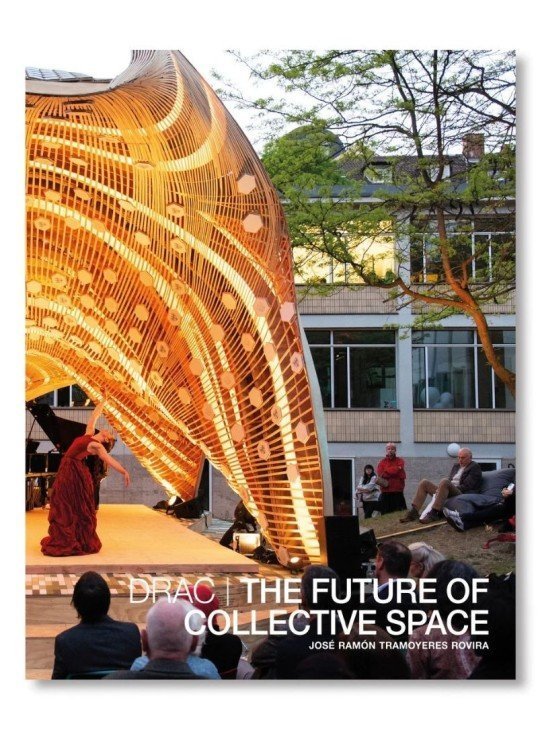
This book takes DRAC —the Spanish Design Pavilion installed in the garden of the Instituto Cervantes in Frankfurt for World Design Capital Frankfurt RheinMain 2026— as the starting point for a question that reaches beyond the building itself: what makes a space, regardless of who owns it or how long it lasts, come to feel collective? Promoted by ICEX and designed by José Ramón Tramoyeres (with ggstudio), the pavilion was conceived as a temporary, reversible architecture: a system, not an object.
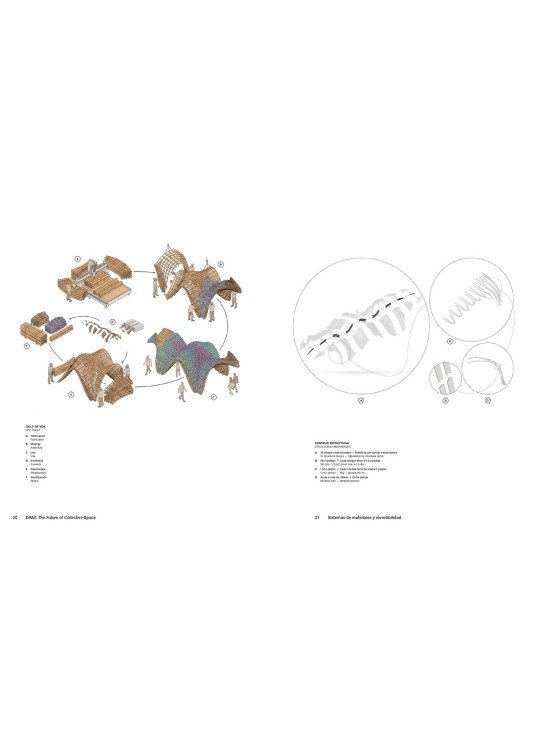
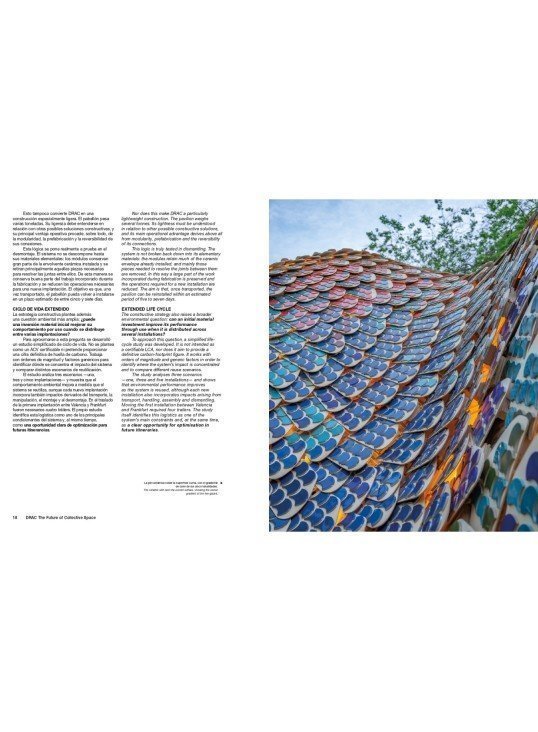
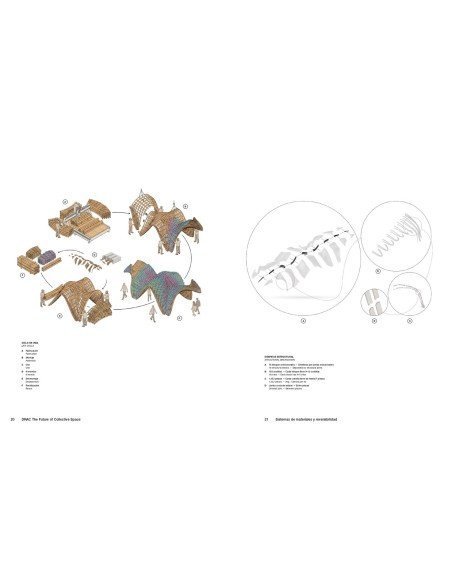
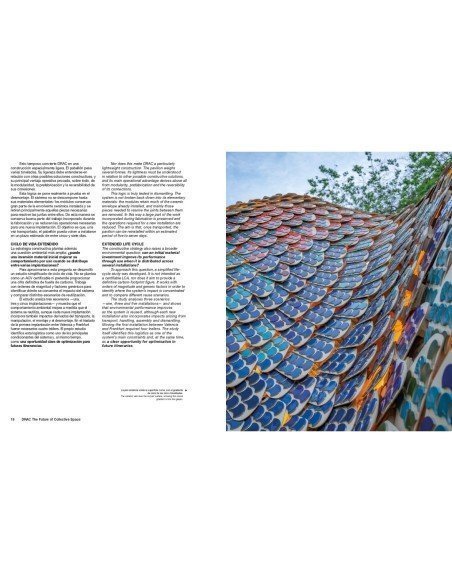
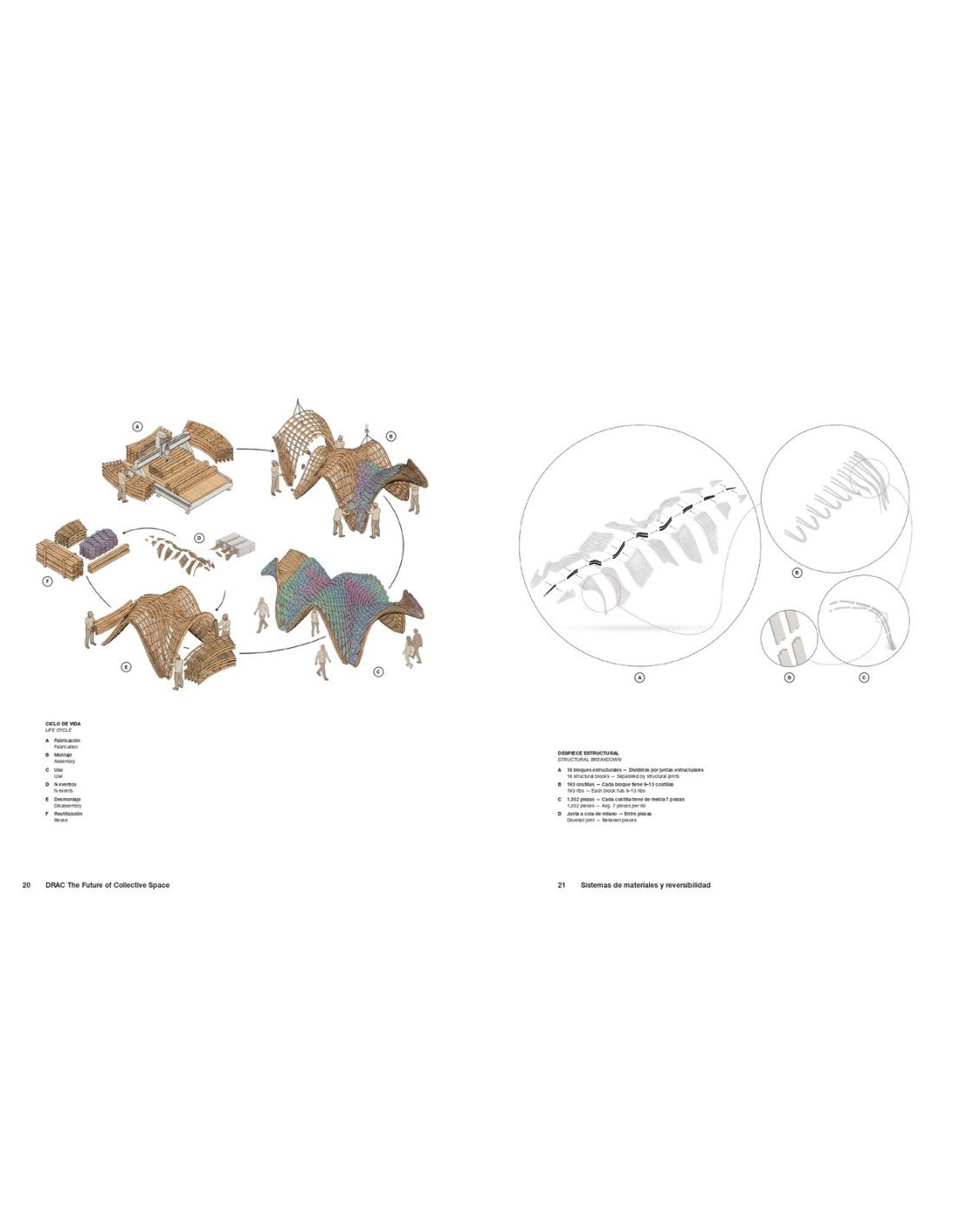
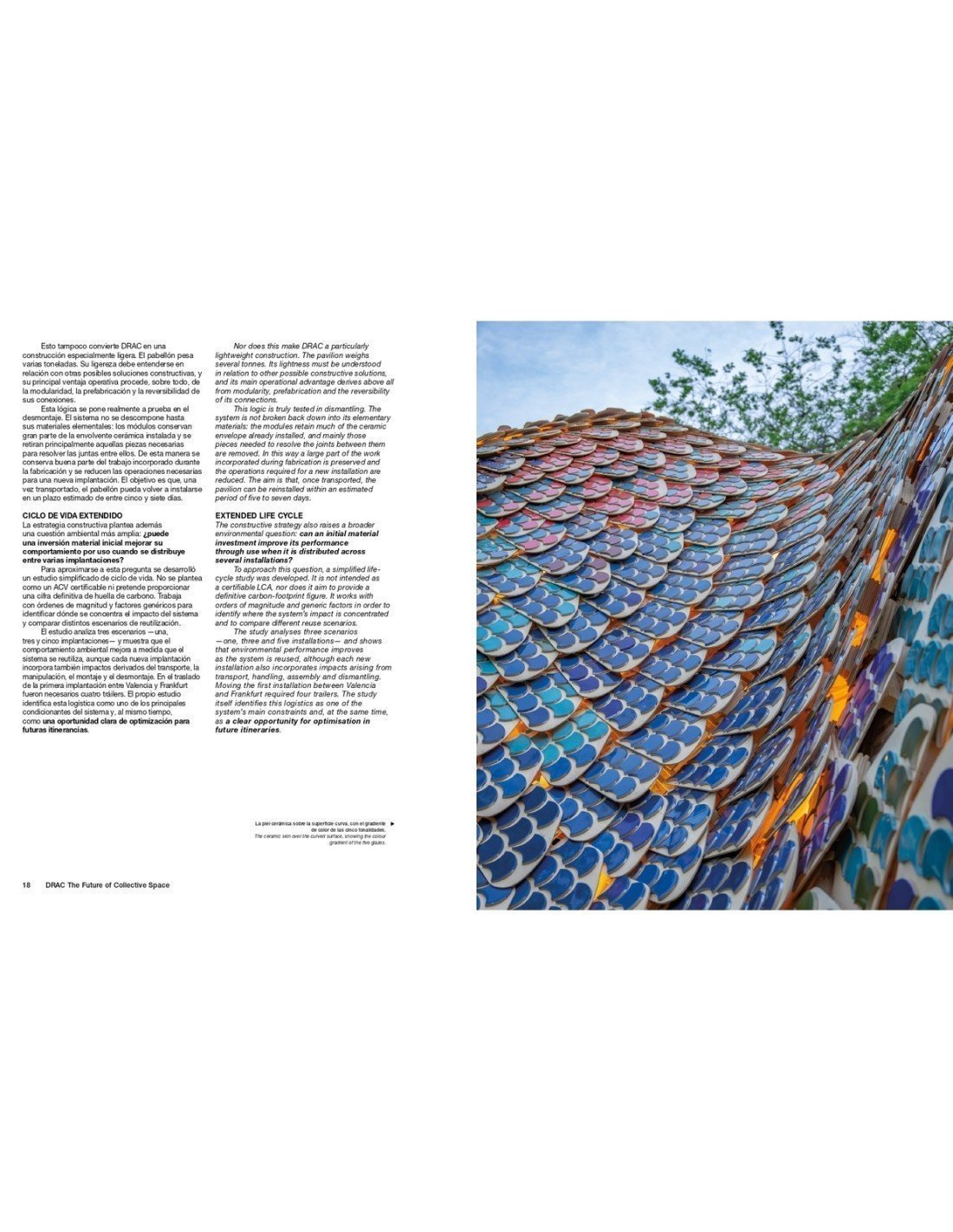
The first part presents DRAC as a case study and follows the whole process, from concept to construction and from construction to use. In the year of Gaudí's centenary, the project understands him as a method rather than a style: a modular, prefabricated timber structure of 1,352 pieces, clad in a skin of more than 14,000 dry-fixed ceramic pieces, resting on point supports with no foundations and designed to be dismantled and reassembled elsewhere in under a week. The chapters document its material systems, fabrication and assembly —drawing on traditional crafts such as vareta wood strip work—, the built pavilion and the cultural programme that brought it to life: concerts, dance, poetry, lectures, fashion and workshops, alongside unforeseen uses that turned it into a meeting place.
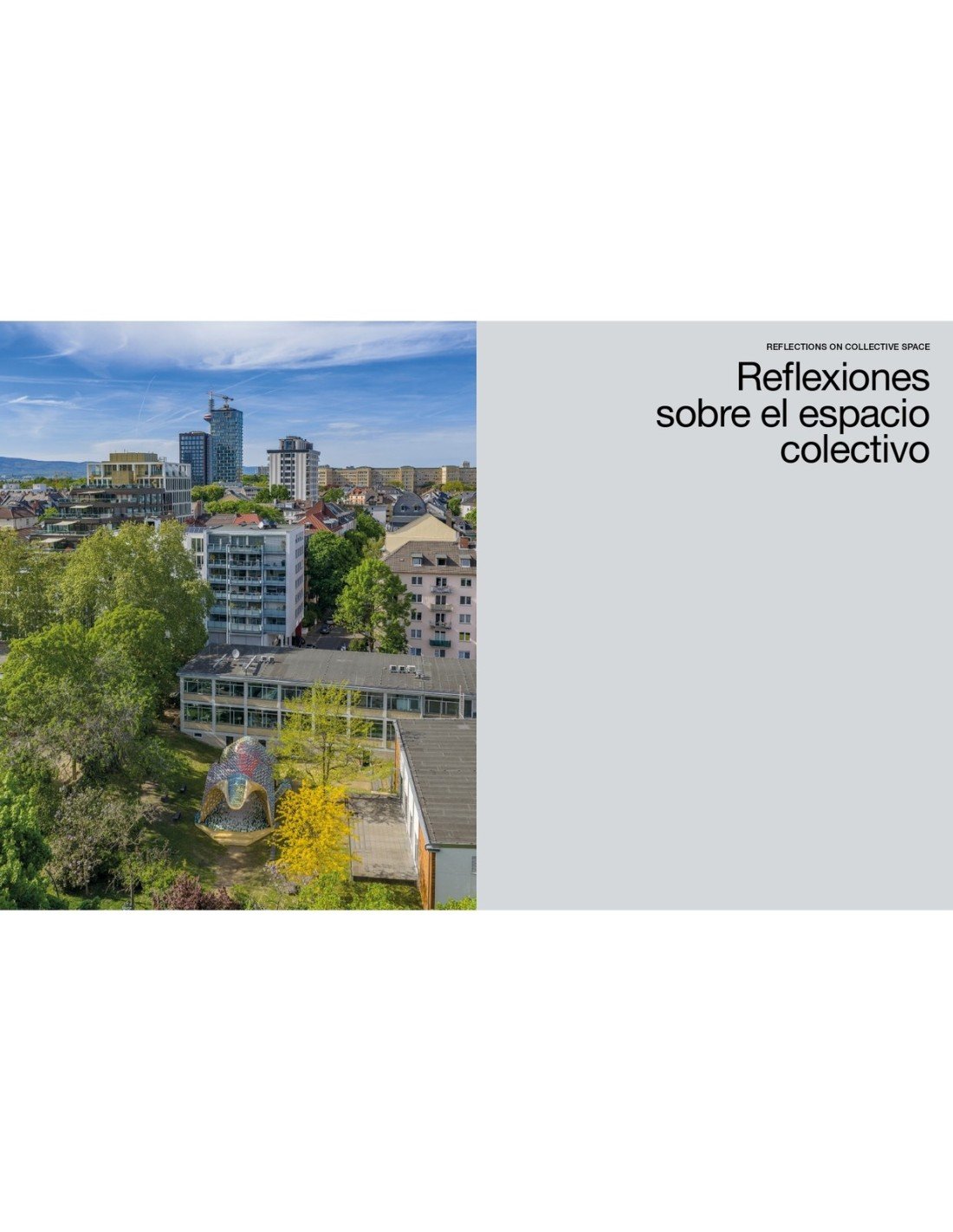
The second part shifts attention from the pavilion to collective space. Tramoyeres sets out an initial theoretical framework in “When Places Work”, and three architects from international practices reflect on their own work: Paulo Flores (Zaha Hadid Architects), Deniz Manisali (UNStudio) and Astrid Wuttke (schneider+schumacher), the latter through the renovation of the former Amerikahaus that now houses the Instituto Cervantes in Frankfurt.
The book is completed by the voices of the institutions that made the project possible: Elisa Carbonell, CEO of ICEX, with a text on architecture as a tool for international projection, and Ferran Ferrando Melià, director of the Instituto Cervantes Frankfurt, in the epilogue. A bilingual Spanish-English edition with plans, diagrams, construction details and photography.
DRAC
Introduction
Concept and Design
Material Systems and Reversibility
Construction and Assembly
The Pavilion
Program and Activations
DRAC as Collective Space
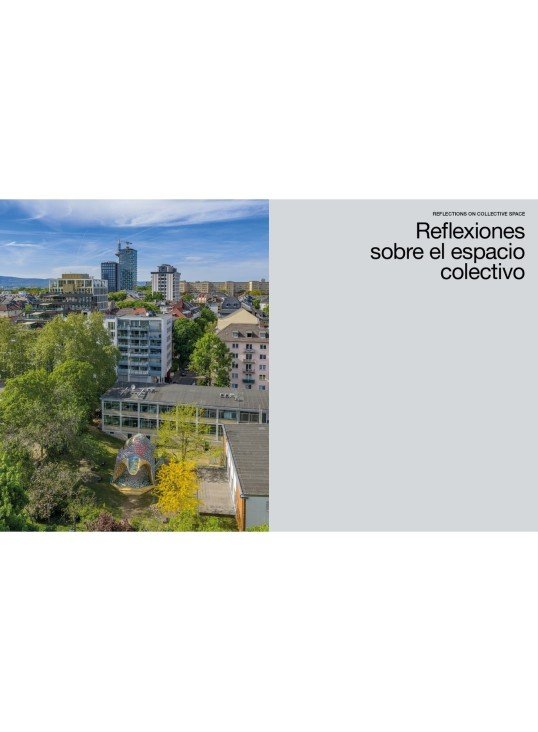
Reflections on Collective Space
Architecture as a Tool for International Projection. Elisa Carbonell Martín
When Places Work. Towards a Theory of Collective Space. José Ramón Tramoyeres
Collective Space as a Design Driver. From Intuition to Urban Catalyst. Paulo Flores
The Architecture of Publicness: Rethinking the Framework of Collective Space. Deniz Manisali
Design for Democracy. Frankfurt’s Instituto Cervantes, in the former Amerikahaus, as a “Collective Space”. Astrid Wuttke
Epilogue. Ferran Ferrando Melià
You might also like